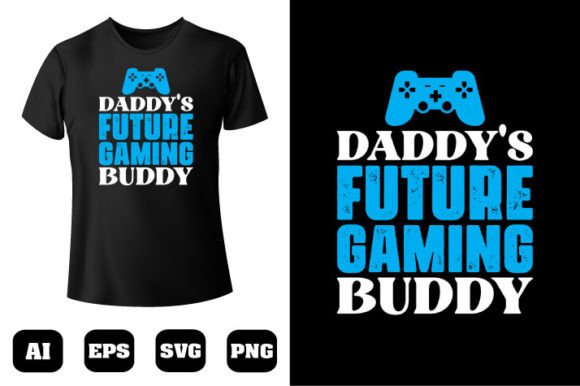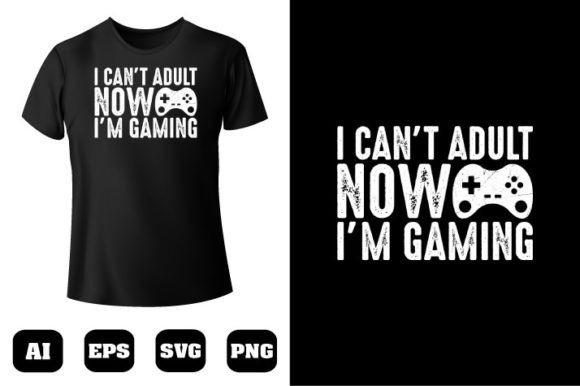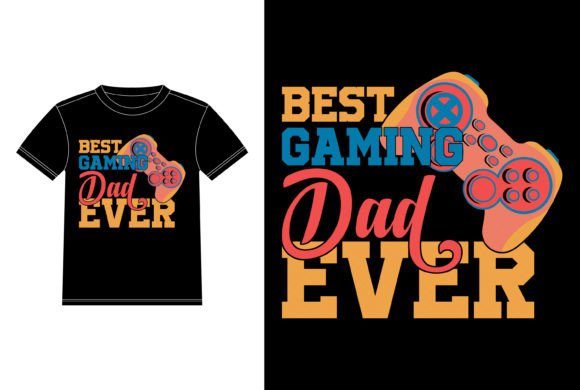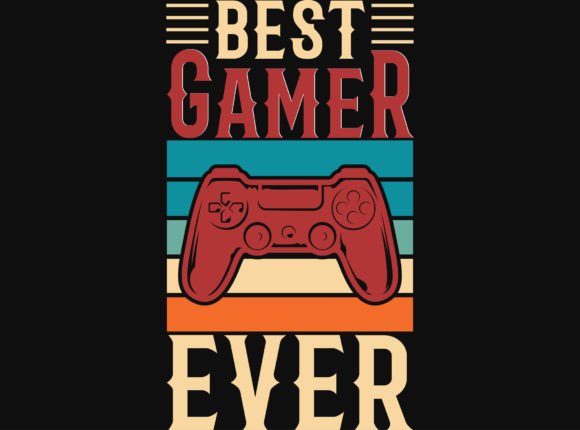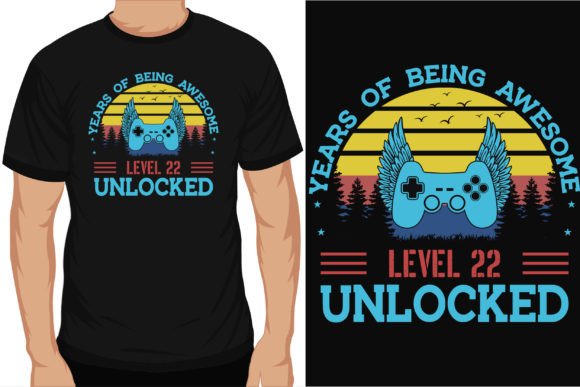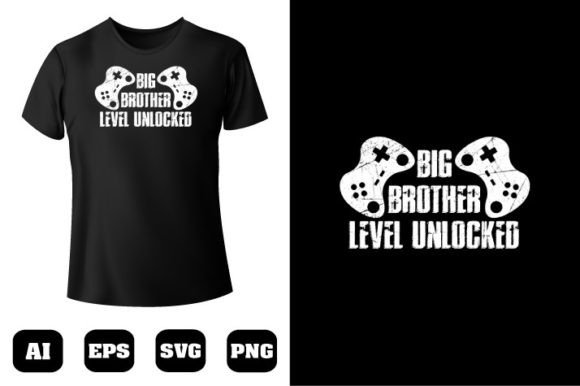
What Makes Gaming T-shirt Design 105 Stand Out
Every creative person who has ever tried to launch merchandise or add personality to a wardrobe knows that generic clip art rarely delivers. The visual messaging around gaming culture demands more than a tired stock graphic. It needs a sense of progression, an inside reference, and a finish that looks intentional. Gaming T-shirt Design 105 was built with exactly that kind of thinking in mind. It is not simply a digital file someone exports once and forgets. It is a structured, versatile design resource that bridges the gap between a casual idea and a commercially viable product. For anyone involved in print-on-demand, event branding, or personal gifting, understanding how this asset actually works can save hours of trial and error.
When we first looked at this design file, what became obvious immediately was that it was put together by someone who understands production. The artwork does not rely on raster effects that break apart when you try to enlarge them for a 2XL tee. Every element stays sharp because the foundation is one hundred percent vector. That alone changes the kind of end use the design can serve. A streamer needing a profile badge, a local tournament organizer printing signage, or a content creator slapping the graphic on a hoodie all get a clean result from the same source. The practical advantage here is enormous. You edit once, then export to multiple dimensions without ever worrying about jagged edges or soft blur.
Key Characteristics of the Design Asset
People often ask what separates a professional t-shirt design pack from something you might scrape off a free platform. With Gaming T-shirt Design 105, the differentiators sit in the technical specification sheet more than in any marketing promise. The first thing you notice is the resolution claim of 300 dpi, which is the default expectation for direct-to-garment printing and screen separation. But resolution alone does not tell the whole story. Because the file is built entirely with vector shapes, that 300 dpi output is consistent regardless of whether the print area is a chest pocket placement or an oversized back graphic.
Color flexibility often becomes a hidden bottleneck in merchandise design. Many artists deliver one fixed colorway, and any attempt to remap hues results in muddy transitions or destroyed gradients. Here, the promise of one hundred percent color changeability is grounded in solid construction. Each shape is independently selectable. You can shift a neon cyan to a muted earth tone in seconds. This matters enormously for brands that operate under a strict style guide or for creators who run seasonal merch drops where palette variation signals exclusivity. The design does not lock you into a single mood; it adapts to the context you choose.
Another understated strength is the inclusion of multiple industry-standard file formats. Having native Adobe Illustrator CC compatibility means the master file opens with layers intact, fonts outlined if any, and groups logically organized. The EPS format ensures that users on older software versions or CorelDRAW workflows can still access the vector data. Meanwhile, the PNG provides a quick preview or a lightweight version for mockup placement. The SVG, often overlooked, becomes incredibly useful for web-based design tools like Canva or Figma, where vectored assets are increasingly needed for digital mockups, live streams, and social media overlays.
Practical Applications Across Different Environments
One of the more interesting aspects of a gaming-themed vector design like this is how naturally it fits into worlds far beyond a cotton tee. Entrepreneurs running a Shopify print-on-demand store can drop the PNG into a mockup generator and test color variations in minutes. Because the file is ready to print, the path from download to published listing shortens dramatically. A professional marketer overseeing merchandise for a mid-sized esports event might use the AI file to produce embroidered patches, wristbands, or even stage backdrop panels. The vector nature means no separate artwork commission is needed for each application; you output at the scale required and move on.
Educators and workshop facilitators have found similar design packs useful for teaching branding exercises. Imagine a community college course where students learn to build a cohesive merchandise line. They can pull in Gaming T-shirt Design 105, recolor it to match a hypothetical brand, and produce a presentation that includes apparel mockups, social media banners, and a simple website hero image. The real lesson lies not in copying a graphic but in understanding how a single, well-made asset can behave consistently across physical and digital media. That kind of practical insight sticks far longer than a theory lecture.
For the individual hobbyist who just wants a standout shirt for a weekend LAN party or a gaming convention, the design offers a level of customization many retail options lack. You are not stuck with whatever the store printed. You can pull the file into Illustrator, change the tagline, tweak the composition, and send it to a local direct-to-film printer. The result feels personal because it is personal. And when a friend asks where they can get one, you have the source ready to apply the same graphic to a hat, a tote bag, or a phone case.
Improving Efficiency and Reducing Production Friction
Anyone who has managed a fast-moving merch line understands how quickly production friction eats into margins. A design that requires manual cleanup before every print run becomes a recurring cost. With a file characterized by 100 vector shapes re-sizable, cleanup is essentially nonexistent. Paths are closed, opacity is managed cleanly, and there are no stray anchor points lurking off the artboard. This level of care translates directly to fewer print rejections and a more predictable relationship with fulfillment partners. Print providers notice when artwork is prepped properly, and they tend to bump well-constructed files through the queue faster.
The ease of editing also opens up smarter inventory strategies. Instead of stocking five color variants of a shirt, a brand can order white blanks and use the print-on-demand flexibility to offer ten digital variants through a single listing. The design file can be recolored and re-exported in under three minutes. Multiply that by even a small number of SKUs per season, and the time savings become undeniable. This is not a marginal improvement; it is the difference between launching a collection in a weekend versus stretching it over two weeks.
Branding, Communication, and Visual Engagement
Gaming aesthetics rely heavily on visual intensity and cultural shorthand. A strong graphic on a tee can communicate community affiliation before any words are exchanged. Gaming T-shirt Design 105 understands that language. It uses motifs that resonate with players—competitive energy, stylized hardware references, dynamic lines—without descending into childish cartoon territory. That balance makes it suitable for older demographics who grew up with gaming and now run companies, manage teams, or present at industry events. A forty-year-old creative director wearing this design at a networking mixer signals a comfortable relationship with the culture, not an attempt to look younger.
For content creators, consistency in visual branding elevates the perception of a channel. When a streamer's offline screen, sub badges, and merchandise all pull from the same design family, the audience internalizes that identity faster. A resizable vector graphic makes it trivial to extract a small icon for a badge, then use the full composition for a shirt. The visual bridge between the digital persona and the physical product strengthens trust. Viewers are more likely to buy merch that looks integrated into the stream identity rather than a random logo slapped on a tee at the last minute.
Real-World Use Cases Worth Mentioning
Consider a small indie game studio preparing for PAX or a similar convention. They need a cohesive look for a booth backdrop, staff shirts, and promotional stickers. The budget for a custom illustrator is already stretched. A purchased design pack like this one gives them a high-quality vector starting point. The team opens the file, adjusts the palette to their game's branding colors, replaces any placeholder text, and has booth-ready artwork that same evening. The PNG file goes straight into a sticker printer's web form. The EPS heads to the screen printer. The workflow is frictionless because the asset was built for exactly this kind of multi-use reality.
Another example sits in the corporate gifting space. A firm that builds gaming peripherals might want to send holiday gifts to top clients. A custom shirt is a memorable touch, but only if the design feels premium. Using the AI file, the marketing department can add the company's monogram without disturbing the core composition, export at 300 dpi, and coordinate a small batch run with a high-end garment decorator. The result looks bespoke, not like a tradeshow freebie. The entire operation, from file download to final approval, can be handled by a single in-house designer without outside support.
Practical Considerations When Working with the Files
Before you rush to upload the artwork to a print service, it helps to walk through a few practical checkpoints. First, while the design is labeled Adobe Illustrator CC compatible, you will need at least a basic familiarity with the software to unlock the full editing potential. If you have never opened an AI file, expect a small learning curve. However, the included SVG and EPS give fallback options for those using free alternatives like Inkscape or browser-based editors. Second, always confirm the color space your printer expects. The design is presented in a standard RGB workspace common for screen viewing. Adding a quick CMYK preview inside Illustrator helps spot any gamut shifts before production, especially for neon hues that typically look duller in print.
Sizing is another area where rushing can cost money. The design comes as resizable shapes, which means you can make it any dimensions you want. But bigger is not always better. For a standard adult tee, an 11 to 13-inch wide print area often looks proportionate. Use the ruler guides in your editing software to check measurements before exporting. And if you plan to use the PNG for a DTG order, verify with your print provider whether they need a transparent background file. The PNG included maintains transparency, which saves the extra step of removing a white background later.
Licensing should also be clear in your mind. Most design packs of this nature allow commercial use for physical merchandise, but they often prohibit reselling the digital file itself. Read the documentation that accompanies the download. As long as you are using the graphic on shirts, mugs, or other end products, you are generally in safe territory. When in doubt, a quick message to the designer can clarify usage rights and prevent potential disputes down the line.
Why This Approach Works for a Broad Audience
The value proposition of an asset like Gaming T-shirt Design 105 stretches across very different types of buyers precisely because it avoids narrow specialization. A blogger building a small merch table can use the same file as a publisher ordering a hundred-unit run for a launch event. The scalable vector core means nobody has to compromise on output quality. The adjustable colors mean the design can shift from neon cyberpunk to sleek grayscale depending on the audience. And the ready-to-print nature eliminates the hidden cost of file prep, which is often the most expensive part of custom apparel production in terms of time.
One thing experienced creators will appreciate is the well-organized layer structure inside the AI file. Grouped elements and sensible naming conventions make it easy to isolate a single property without accidentally moving a dozen paths. That level of organization is a sign that the designer has actually produced garments before. It is a small detail that becomes critically important when you are working on a tight deadline and cannot afford to spend twenty minutes ungrouping a chaotic artboard.
For those who might still be on the fence, it is worth remembering that a solid vector design never becomes obsolete. Trends in gaming apparel cycle, but foundational compositions with clean linework and adaptable themes persist. An investment in a file like this is not a one-time product launch; it is a digital asset that you can revisit months or even years later for a new capsule collection, a charity stream, or a team rebrand. The files included—AI for deep editing, EPS for broad compatibility, PNG for instant placement, and SVG for online applications—form a complete toolkit that keeps giving.
Ultimately, the worth of any design resource is measured by how much better it makes the end product and how much less friction it introduces into the production process. On both counts, this pack delivers in a way that feels grounded rather than flashy. The work speaks through the final print, not through exaggerated claims. And that quiet confidence is exactly what most professionals, educators, and creators look for when they click add to cart on yet another design file that promises the world. This one actually has the vector bones to back it up.
Follow me for more unique t-shirt design. Thank You.