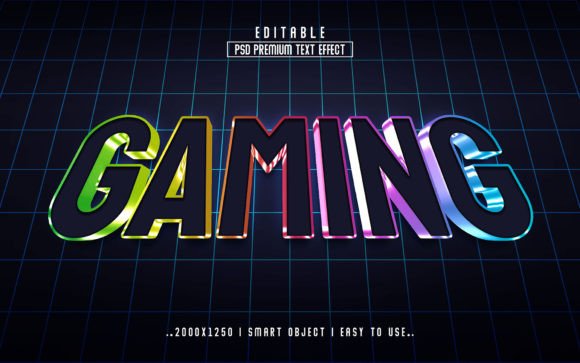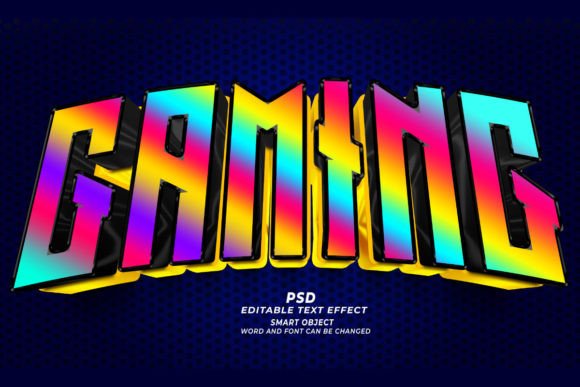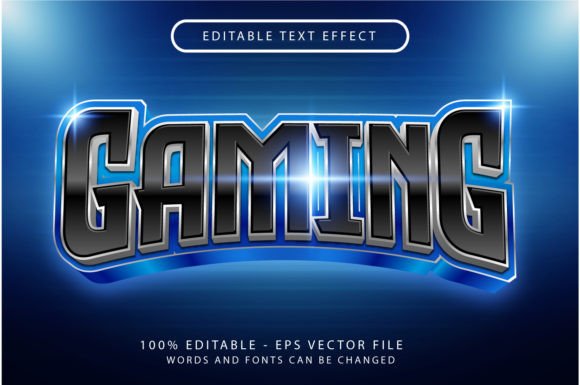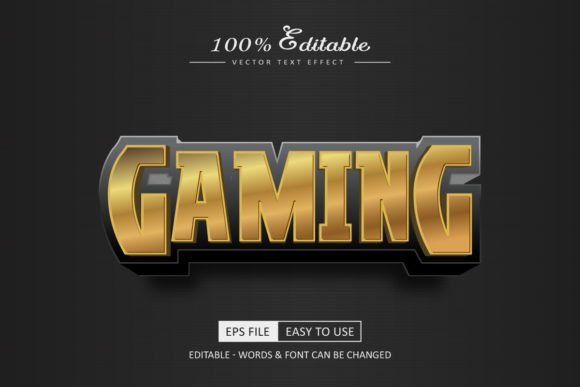
The 3D Gaming Editable Text Effect PSD: A Creator's Shortcut to Quality
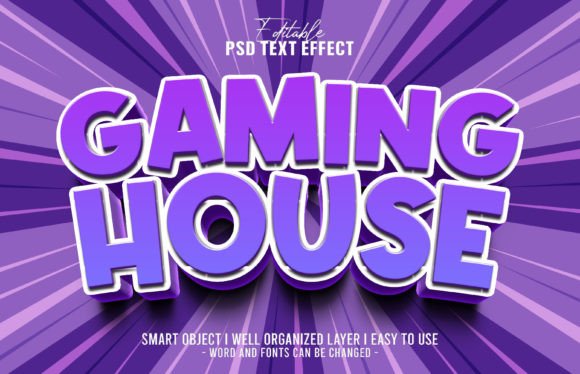
Creating standout visuals, especially for game-related content, marketing, or personal projects, often demands significant design skill and time. For many creators, the allure of a professionally crafted 3D Gaming Editable Text Effect PSD is immediate: it promises high-quality results without needing to master complex 3D modeling or lighting techniques in Photoshop from scratch. This resource is essentially a pre-built, layered Photoshop file where the core text element is a smart object. You double-click, type your words, save, and a polished, dimensional text effect instantly updates in the main file. It's a tool for efficiency, allowing you to focus on your message rather than the painstaking process of building the effect itself.
Common Oversights When Choosing a Text Effect PSD
The simplicity of "editable" can lead to quick, regrettable decisions. Many users, eager for a cool result, download or purchase a file based solely on the preview image. This overlooks critical technical details that dictate whether the file will be a smooth solution or a frustrating puzzle.
A primary mistake is not verifying the compatibility and requirements of the PSD file. While most require Photoshop, some advanced effects might rely on specific fonts, Photoshop plugins, or even particular versions of the software that support certain layer effects. Assuming any Photoshop will work can leave you with a file that renders incorrectly or fails to edit as advertised. Always check the description for required software versions or additional assets before committing.
Another frequent misunderstanding revolves around resolution and scalability. A "High Resolution" claim is common, but its practical meaning varies. For a thumbnail, a 2000px wide file is ample. For a large banner or print material, it might be insufficient. If you apply the effect to a text string longer than the example in the preview, the design might break or look unbalanced. The better approach is to look for specifics—actual pixel dimensions listed—and consider your largest potential use case. A well-organized PSD should allow for reasonable scaling, but pushing it far beyond its intended size will degrade quality.
The Pitfall of Ignoring Layer Organization
"Well Organized Layers" is a feature often skimmed over, yet it is fundamental to a truly editable experience. A cluttered PSD with hundreds of unnamed layers, or effects applied directly to rasterized text instead of via smart objects and adjustment layers, is not truly editable. It becomes a static image you can only painfully tweak.
This poor layer structure affects efficiency and creative flexibility. You might want to change the glow color or metallic sheen independently of the text. In a badly constructed file, that's impossible without destructive editing. The practical advice is to seek resources where the seller demonstrates or describes the layer structure—mentioning groups for "color controls," "shadow," "background," and, crucially, the primary text as a distinct smart object. This organization is what makes the "100% Editable" claim genuine, allowing you to customize beyond just the words.
Smart Objects: The Core of Real Editability
The term "Smart Objects" is the technical heart of this resource. A common user error is not understanding how they function. Double-clicking the smart object layer opens it in a new document window. Some users replace the text but then forget to save that specific smart object document before returning to the main file. The change won't propagate, leading to confusion. The process is simple: edit, save the smart object file (Ctrl+S), close it, and see the update. Another overlooked detail is that you can often edit the font within the smart object itself, but the available styles might be limited by the font's licensing embedded in the original file. If you need a different typeface entirely, you may need to replace the smart object content more fundamentally, which requires a bit more Photoshop knowledge.
Beyond the Text: Evaluating the Full Package
Focusing only on the text effect leads to another set of overlooked details. Many such PSDs include background elements, lighting textures, or additional graphic details that create the complete scene. A mistake is assuming these are as editable as the text. They often are not; they may be rasterized images. Before using the resource, inspect the layers to see what you can actually change. Perhaps you only need the text on a transparent background for a logo. Can you easily remove or isolate the text from the provided backdrop? A well-organized file will have these elements on separate, easily deletable layers or groups.
Furthermore, users often overlook file size and download content. A high-quality, high-resolution PSD with many layers can be several hundred megabytes. Ensure you have the storage and that your internet connection can handle the download. Also, verify what you're actually getting: is it just one PSD file, or are there variations (different colors, styles) included? Some purchases include multiple effect versions, which greatly increases value.
Applying the Effect Realistically
Even with a perfect file, application mistakes happen. The most common is using the effect for an inappropriate context. A loud, metallic, game-style text effect might be perfect for a YouTube channel banner for an action game, but it would be a poor choice for a corporate presentation slide. The effect enhances communication only when its style aligns with the tone of your project. Evaluate the aesthetic against your brand or message before applying it.
Another practical error is not matching the effect's lighting with your composite. If you place your newly rendered 3D text onto a new background image, the text has built-in shadows and highlights. If your background has a light source coming from the left, but the text's effect has shadows suggesting light from the right, the final composite will look visually discordant and amateurish. Better practice involves either choosing a text effect with neutral, adjustable lighting or spending time in Photoshop to modify the layer styles to match your scene's lighting direction.
A Checklist Before You Use Your 3D Gaming Text PSD
To avoid these pitfalls, run through a quick mental checklist. First, confirm your Photoshop version can open the file and handle its features. Second, identify your output needs: maximum size, transparency requirements, and color mode (RGB for web, possibly CMYK for print). Third, open the file and immediately explore the Layers panel. Are layers named and grouped? Is the main text clearly a smart object? Fourth, perform the basic edit: change the text, save the smart object, and confirm it updates. Fifth, experiment with a secondary change, like altering a color overlay layer, to test the depth of editability. This five-minute audit saves hours of frustration and ensures the resource truly serves your creative process.
Ultimately, a 3D Gaming Editable Text Effect PSD is a powerful bridge between ambition and outcome. It corrects the common design mistake of sacrificing quality for speed. By choosing carefully, understanding its structure, and applying it thoughtfully, you leverage professional design principles to elevate your work efficiently. The goal is not just to have cool text, but to have cool text that seamlessly integrates into your vision, enhancing your project's impact without becoming a technical burden.